
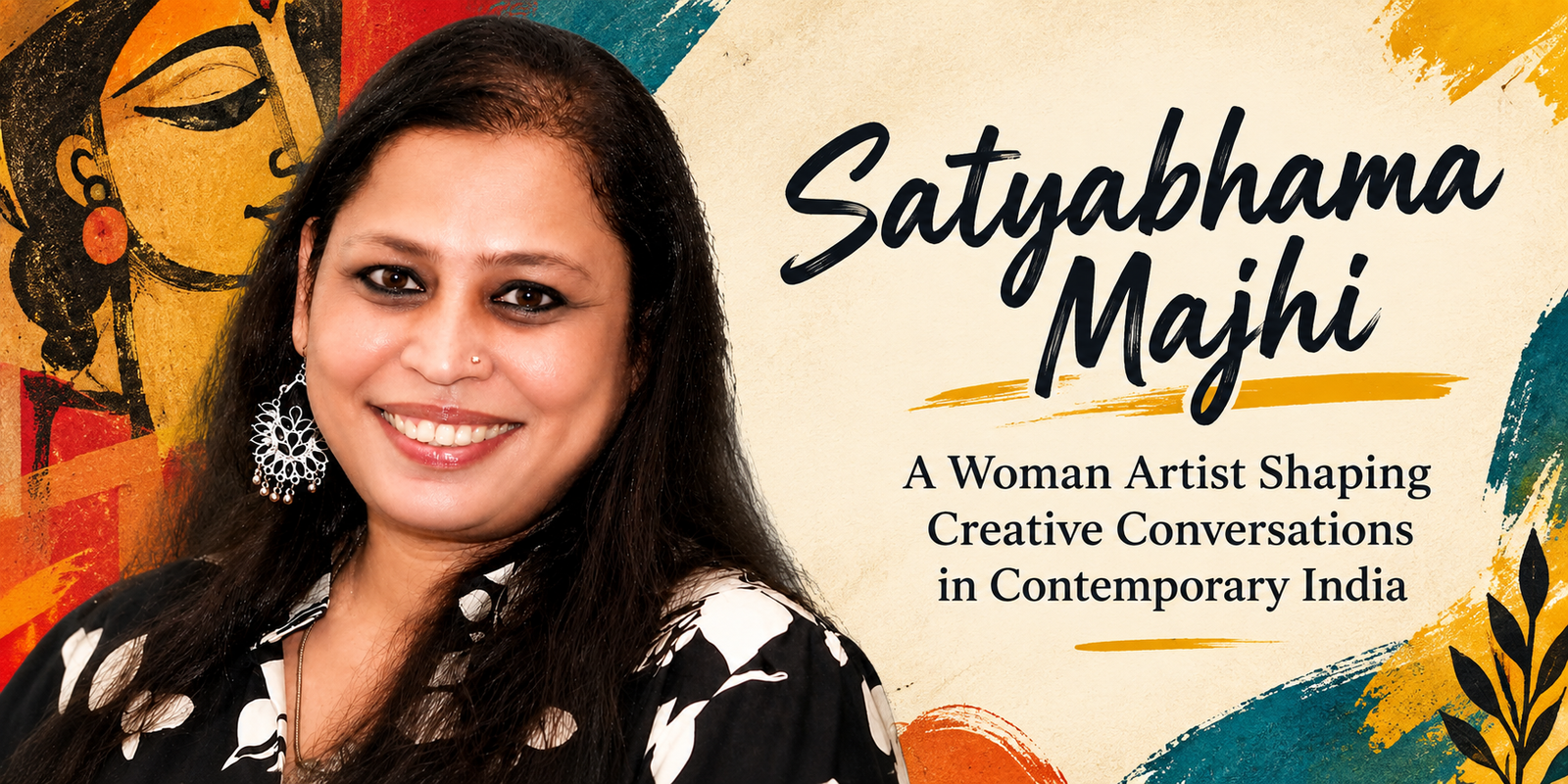
Satyabhama Majhi: A Multidisciplinary Journey Across Art, Society and Culture
Contemporary artists are increasingly working beyond the traditional boundaries of a single medium. Painting may lead to sculpture, sculpture may develop into installation, and artistic ideas may move from galleries into public spaces, classrooms and communities. In this changing creative environment, multidisciplinary practice has become an important way of connecting art with wider social and cultural experiences.
Indian contemporary artist Satyabhama Majhi represents this expanded approach to artistic practice. Based in Bhubaneswar, Odisha, she has developed a diverse body of work across painting, sculpture, installation, photography, mixed media, public art, curatorial practice, art education and community-based initiatives.
Her journey demonstrates that an artist’s contribution cannot always be measured through exhibitions and artworks alone. It can also be understood through relationships—with communities, landscapes, children, cultural traditions, public spaces and other artists.
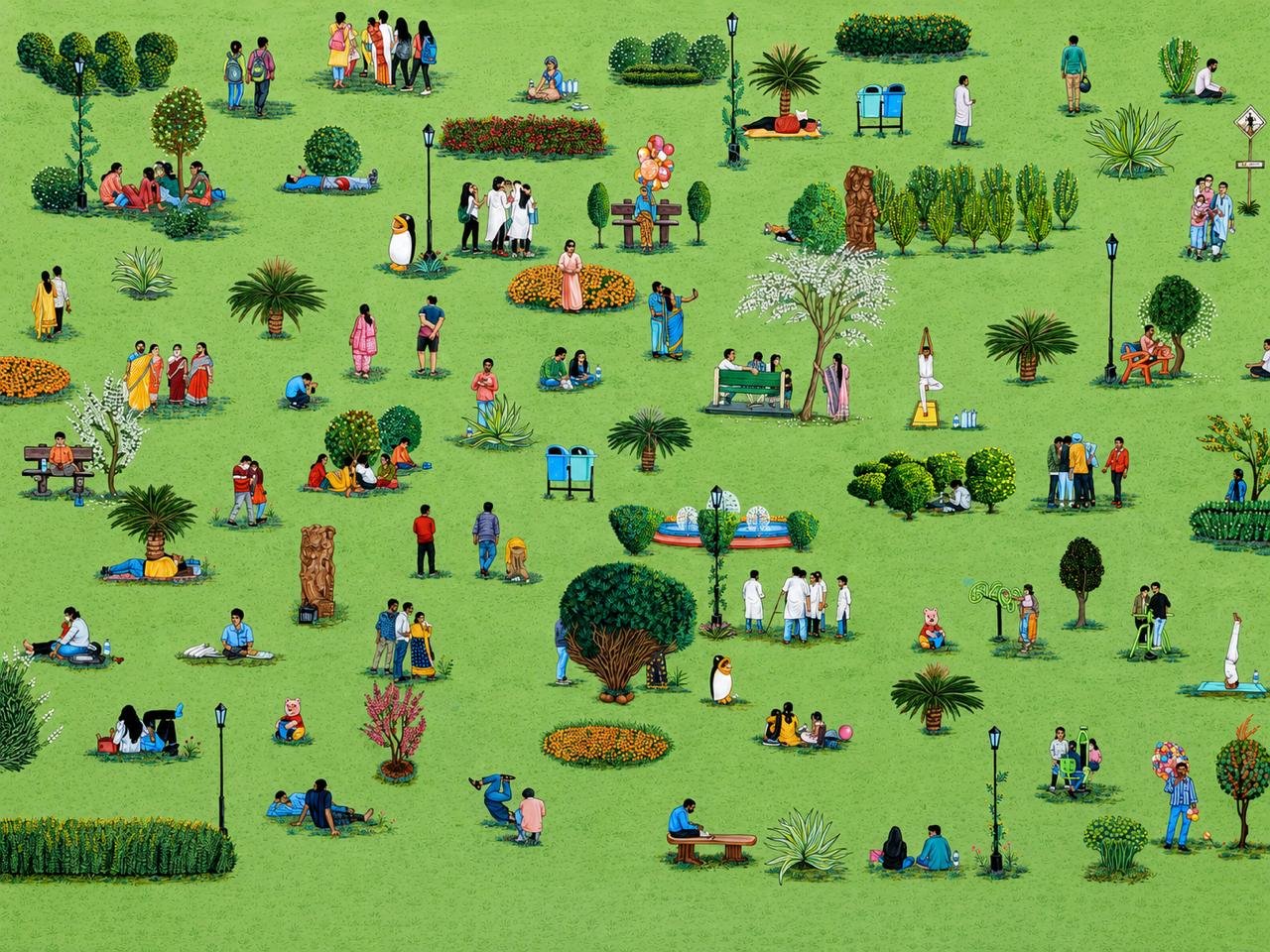
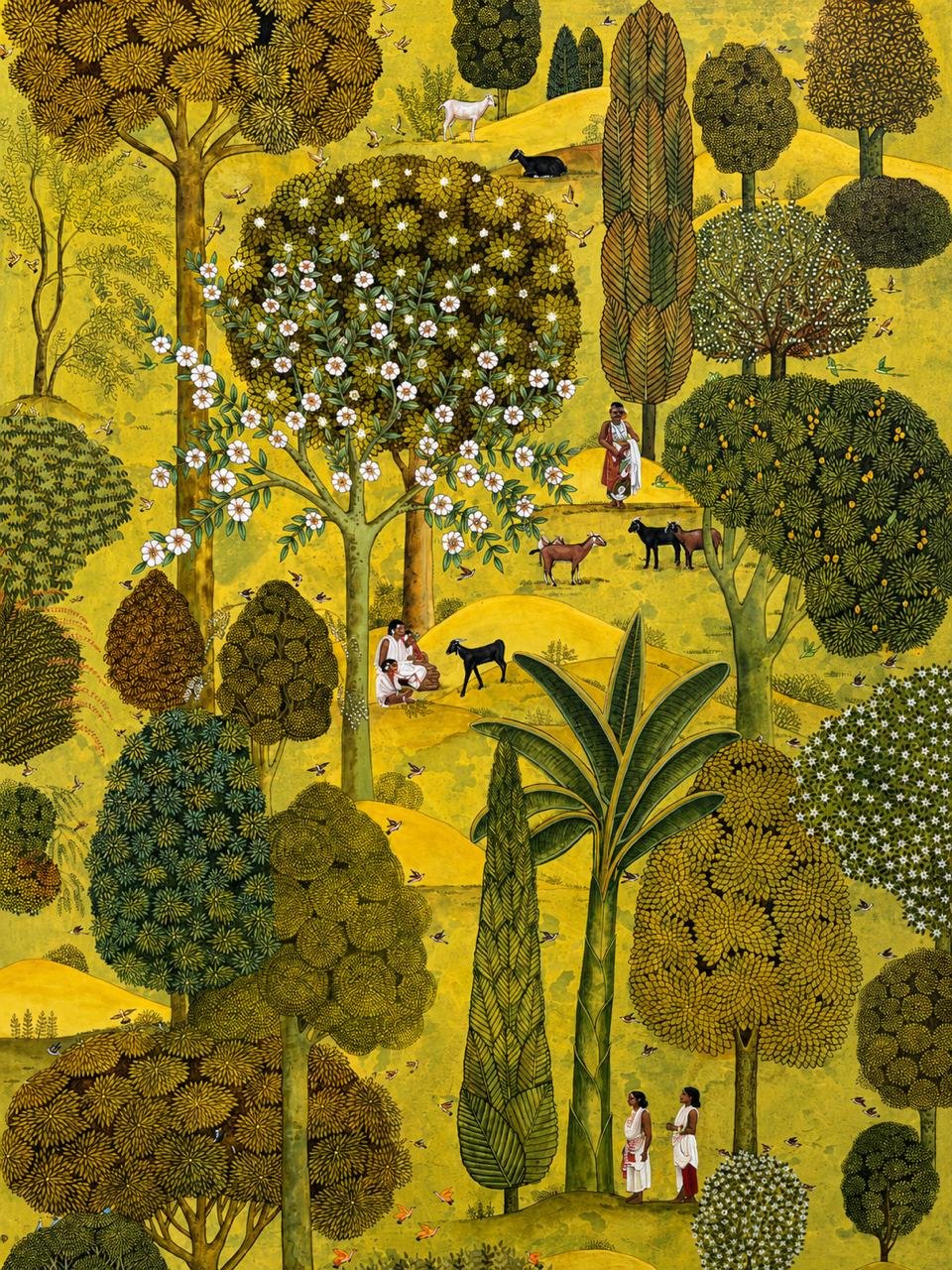
A Practice Beyond One Medium
One of the defining characteristics of Satyabhama Majhi’s artistic journey is her movement across multiple forms of expression.
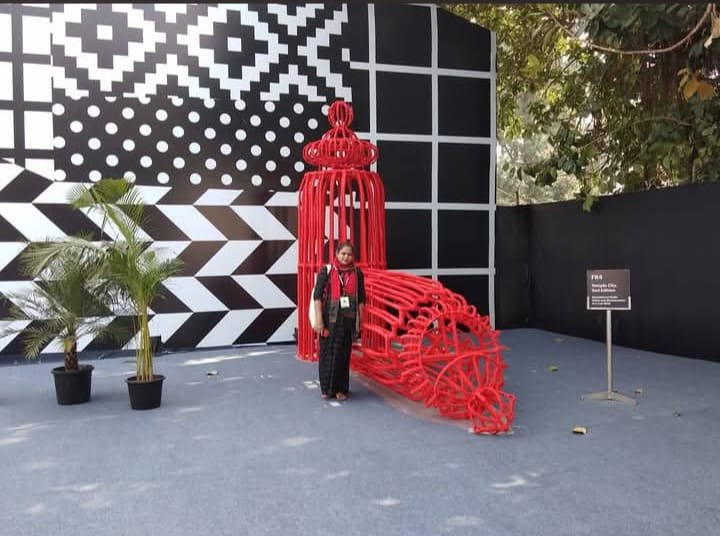
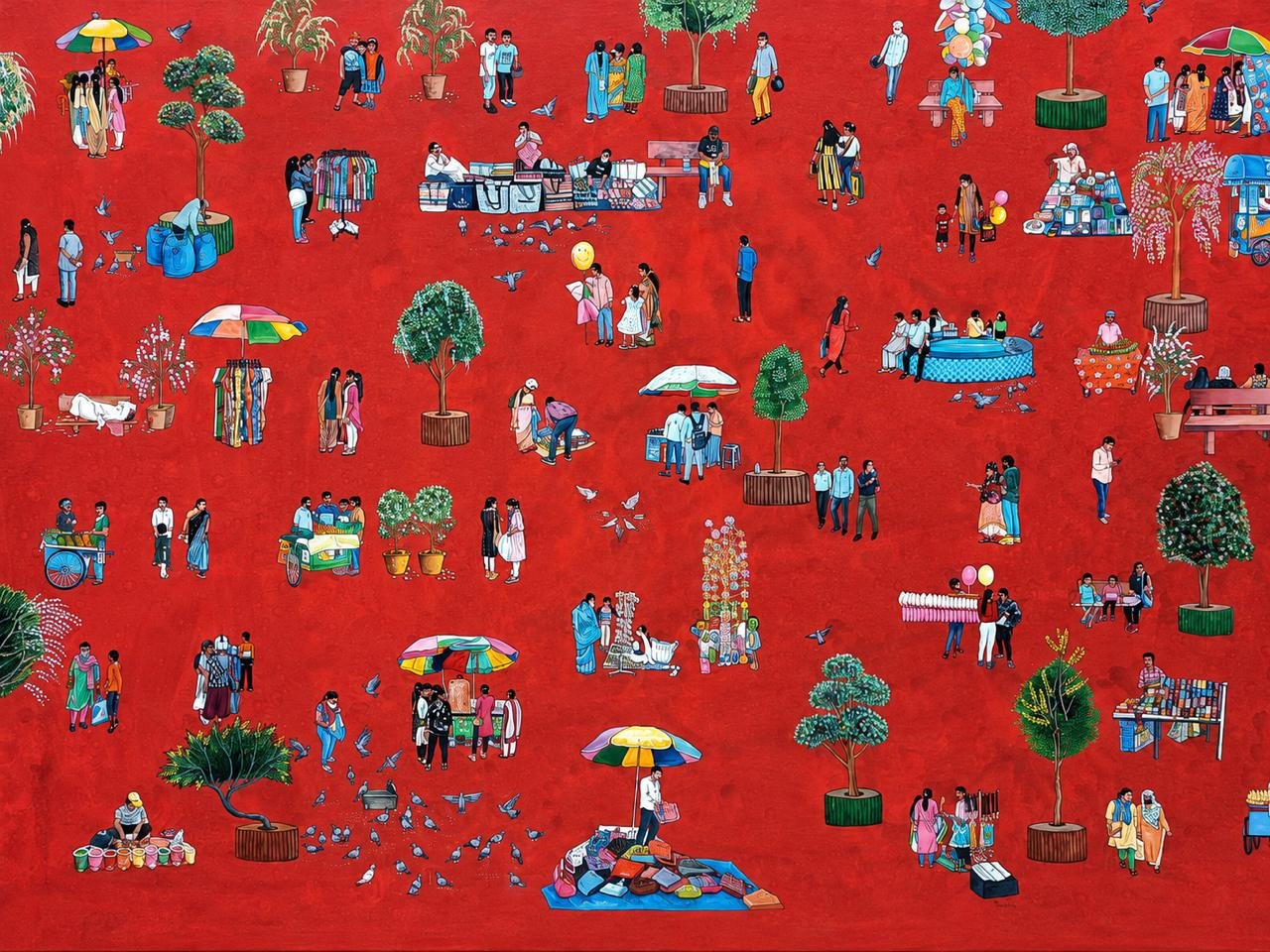
Painting remains an important part of her visual language, but her practice is not restricted to the canvas. Sculpture allows ideas to enter physical space. Installation creates immersive relationships between objects and environments. Photography offers another method of observation and documentation. Public art brings visual expression into shared spaces.
Each medium creates different possibilities.
A painting can communicate through image and colour.
A sculpture can create physical presence.
An installation can change the viewer’s experience of space.
A photograph can preserve a moment.
A mural can become part of a community’s everyday environment.
By working across these forms, Majhi expands the ways in which her ideas can be expressed.
Art and the Experience of Place
Place has played a significant role in Majhi’s artistic development.
Her work is closely connected with Odisha and its diverse cultural and geographical environments. From urban spaces such as Bhubaneswar and Cuttack to rural and indigenous regions, her experiences have contributed to a broader understanding of how people relate to their surroundings.
For Majhi, landscape is not simply a visual subject.
It is connected with memory, livelihood, culture, history and identity.
This understanding becomes particularly significant in her engagement with the Niyamgiri region and the Dongaria Kondh community.
Learning Through Community Engagement
Majhi’s sustained interaction with communities reflects an approach based on observation and participation.
Community engagement requires artists to move beyond the studio.
It involves listening to people, understanding everyday experiences and recognising that cultural knowledge exists outside formal institutions.
The Dongaria Kondh community, with its close relationship to the Niyamgiri landscape, has provided Majhi with opportunities to engage with indigenous knowledge, traditional visual culture, livelihood practices and relationships between people and nature.
Such experiences have influenced her artistic vocabulary.
Niyamgiri as Artistic Inspiration
The Niyamgiri hills have become an important visual and conceptual reference in Majhi’s practice.
The mountain landscape is associated with recurring geometric forms, particularly triangles, which can suggest the silhouette of hills and mountains.
However, the significance of these forms goes beyond visual resemblance.
The triangle becomes part of a larger artistic vocabulary connected with landscape, memory and cultural experience.
Through abstraction and repetition, geographical forms can be transformed into contemporary artistic language.
Traditional Knowledge and Contemporary Expression
Majhi’s academic background includes an M.F.A. in Traditional Art, providing an important foundation for her engagement with inherited visual practices.
Traditional knowledge can include techniques, materials, motifs, stories and ways of understanding artistic production.
Contemporary practice does not require such knowledge to remain unchanged.
Instead, it can be reinterpreted.
Majhi’s work demonstrates how an artist can move between traditional artistic understanding and contemporary experimentation.
This balance allows cultural knowledge to remain active rather than becoming frozen in the past.
The Importance of Natural Materials
Material exploration forms another important part of Majhi’s artistic practice.
Her interest in natural pigments and earth-derived materials creates connections between artistic production and the environment.
Materials such as chalk stone, charcoal, turmeric and geru soil can carry associations with landscape and traditional knowledge.
When transformed into contemporary artworks, these materials connect physical substance with cultural memory.
The use of natural materials also encourages viewers to think about where artistic resources come from.
Colour is not always simply manufactured.
It can emerge from the environment.
Public Art and Social Engagement
Public art provides Majhi with another important platform for connecting artistic practice with society.
Unlike gallery-based art, public artworks can be encountered by people during their everyday activities.
A wall can become a visual landmark.
A mural can contribute to the identity of a neighbourhood.
A public project can create opportunities for shared cultural experience.
Majhi’s involvement in murals and public-art initiatives demonstrates how contemporary art can move beyond conventional exhibition spaces.
In these settings, the audience becomes broader and more diverse.
The People’s Wall Project
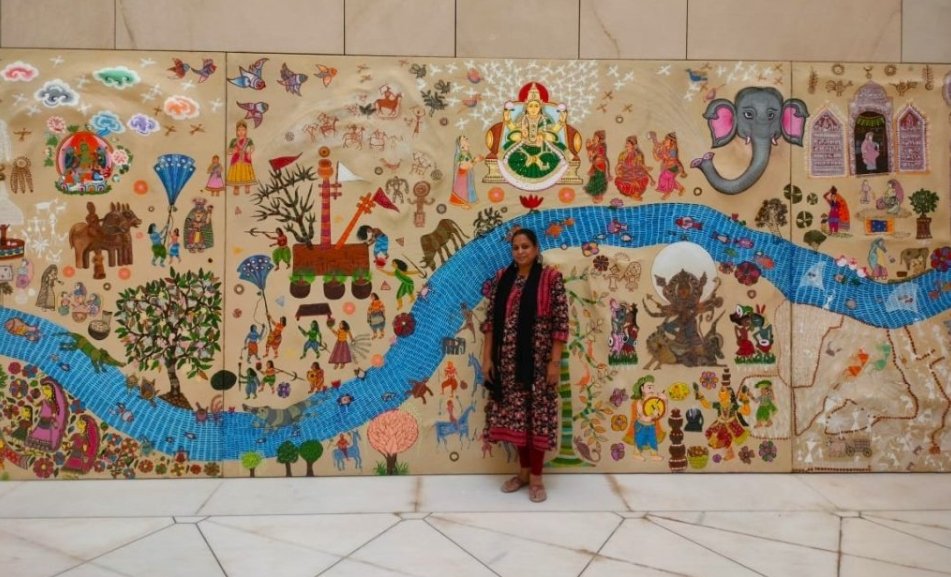
One of the significant examples of collective artistic practice connected with Majhi is the People’s Wall – Jan, Janani and Janmabhumi project created for the New Parliament House in 2023.
The participatory project was organized through the Lalit Kala Akademi, New Delhi, and brought together women artists and artisans from different regions of India.
Majhi served as a Co-Sutradhar and creative contributor.
The project created a space where diverse artistic traditions and cultural experiences could become part of a shared national artistic expression.
Its importance lies not only in the final visual work but also in the collaborative process that brought different practitioners together.
Art Education and Children’s Creativity
Education forms another major dimension of Majhi’s journey.
For approximately fifteen years, she has been involved in workshops and creative activities with children in schools, residential institutions, festivals and educational programs.
Her approach encourages children to observe their surroundings and develop their own visual expressions.
Instead of simply copying standard images, children are encouraged to draw from personal experiences.
Family activities, trees, animals, festivals, journeys and memories can all become subjects for artistic exploration.
This approach treats creativity as a form of learning.
Encouraging Observation
Observation is a recurring principle across Majhi’s work.
The artist observes communities.
Children are encouraged to observe their surroundings.
Photography records visual details.
Public art responds to existing environments.
Natural materials connect artistic practice with physical landscapes.
This emphasis on observation creates a common thread across her multidisciplinary activities.
Before creating, the artist must learn to see.
Curatorial Practice and Cultural Dialogue
Majhi’s work as a curator and cultural practitioner adds another dimension to her artistic contribution.
Curating creates opportunities to bring artists, ideas and audiences into dialogue.
An exhibition can present multiple perspectives within a shared space.
Artists from different backgrounds can encounter each other’s practices.
Audiences can engage with ideas they might not otherwise experience.
Curatorial work therefore complements Majhi’s role as an individual artist.
It extends creativity from making artworks to creating contexts in which artistic conversations can occur.
The Artist as a Cultural Connector
Satyabhama Majhi’s various roles can be understood through the idea of connection.
She connects traditional knowledge with contemporary art.
She connects communities with artistic practice.
She connects children with creative observation.
She connects public spaces with visual culture.
She connects artists and artisans through collaborative projects.
She connects landscapes with cultural memory.
This ability to work across different environments makes her practice socially and culturally significant.
Art as a Living Process
Majhi’s artistic journey suggests that art is not a finished object existing separately from life.
Art can emerge from observation.
It can develop through interaction.
It can change through collaboration.
It can enter communities.
It can become part of public memory.
It can inspire children to see their surroundings differently.
This understanding of art as a living process is central to contemporary multidisciplinary practice.
Cultural Identity in a Changing Society
Modern societies constantly change.
Cities expand.
Technologies develop.
Communities migrate.
Traditional practices adapt.
Natural environments face new pressures.
Within this context, artists play an important role in observing and interpreting change.
Majhi’s practice engages with these transformations while remaining connected with cultural memory and local knowledge.
Her work demonstrates that contemporary art can respond to the present without abandoning connections with the past.
Conclusion
Satyabhama Majhi’s multidisciplinary journey represents a broad and evolving approach to contemporary artistic practice.
As a visual artist, curator, educator, community practitioner and public-art contributor, she has developed a practice that moves across different forms, spaces and communities.
Her engagement with Odisha’s cultural landscapes, the Niyamgiri region, indigenous knowledge, natural materials, children’s creativity and public spaces demonstrates the diversity of her artistic concerns.
The strength of her practice lies in its ability to create connections.
Art connects people with places.
Materials connect artworks with the environment.
Memory connects the past with the present.
Education connects generations.
Public art connects artists with wider audiences.
Community engagement connects creativity with lived experience.
Through these relationships, Satyabhama Majhi continues to demonstrate that contemporary art can be both deeply personal and socially connected.
Her journey is not limited to one medium, one location or one definition of artistic practice.
Instead, it represents an ongoing exploration of how creativity can move between art, society, culture and the environment—creating new possibilities for understanding the world through visual expression.